 Tax Planning
Got an IRS letter? Here's exactly what to do first
An envelope from the IRS sets off the same alarm in everyone. Most notices are routine and fixable. Here is the calm, correct sequence.
Quick answer
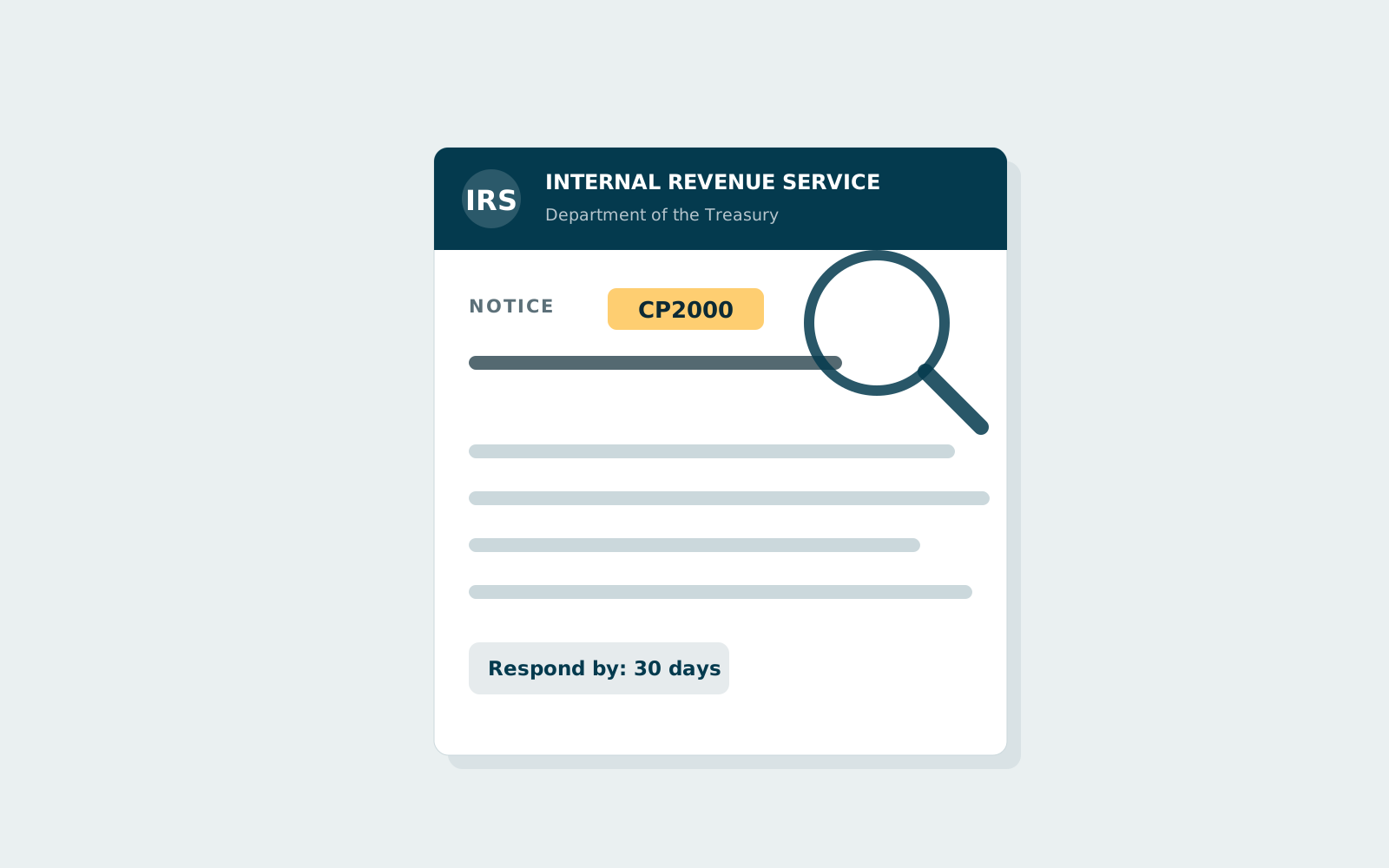
If you receive an IRS letter, do not ignore it and do not panic. Open it immediately, find the notice number (top or bottom right, e.g. “CP2000”), and note the response deadline. Most notices are routine, a math correction, a mismatch, or a balance due, and many do not require payment, only a response. Never call the number on a suspicious letter without verifying it; and before you respond to anything substantive, have a tax professional review it, because what you say in writing to the IRS matters.
Few pieces of mail raise a pulse like a letter from the Internal Revenue Service. Take a breath: the vast majority of IRS notices are routine, automated, and entirely fixable. What gets people into trouble is not the notice itself, it is ignoring it, or responding hastily with the wrong information.
Step 1: Open it and stay calm
Do not set it aside. IRS notices are time-sensitive, and the worst outcomes come from missed deadlines, not from the issue itself. Opening it is the single most important step.
Step 2: Identify the notice number and the deadline
Every genuine IRS notice has a notice or letter number, usually in the top or bottom right corner, something like CP2000, CP14, or LT11. That code tells you exactly what kind of notice it is. Then find the response-by date. Write it down. This is your clock.
Step 3: Understand what it actually says
Common notices are far less alarming than they look:
- CP14: you have a balance due, the most common notice of all.
- CP2000: income reported to the IRS does not match your return. It is a proposed change, not a bill, and you can agree or dispute it.
- Math-error notices: the IRS corrected a calculation; you may owe more or get more back.
- Identity-verification letters (e.g. 5071C): the IRS needs to confirm you filed before processing your refund.
A CP2000 is not an accusation. It is the IRS saying ‘our numbers don’t match yours, explain.’ Half the time, the IRS is the one missing context.
Step 4: Watch for scams
The real IRS initiates contact by mail, not by phone, text, or email. It will never demand payment by gift card, wire, or cryptocurrency, and will never threaten immediate arrest. If a “notice” pressures you to call a number and pay instantly, treat it as fraud and verify independently before doing anything.
Step 5: Respond correctly, and on time
If the notice is right, follow its instructions to pay or confirm. If you disagree, you have the right to respond with documentation, but how you word that response matters, because it becomes part of your record. This is the point at which a quick professional review pays for itself many times over.
Want this applied to your numbers?Book a free 30-minute advisory review with a senior member of our team.
Book a review When to bring in representation
For a simple balance-due notice you can often handle it yourself. Bring in an experienced tax professional when the dollar amount is significant, when you disagree with a proposed change, when an audit is mentioned, or when you are simply not sure. An experienced tax professional can communicate with the IRS directly on your behalf, which means you may never have to be on that call at all.
Frequently asked questions
How long do I have to respond to an IRS notice?
It varies by notice, but most give 30 days. The exact deadline is printed on the letter. Responding on time preserves your rights, including the right to dispute, so the date matters as much as the response.
Should I just pay what the notice says?
Not automatically. Notices like the CP2000 are proposed changes that are sometimes wrong or missing information you can supply. Verify the figures before paying; you may owe less than stated, or nothing.
Can OMNEX deal with the IRS for me?
Yes. As your representative we can correspond with the IRS on your behalf, respond to notices, and handle audits and payment plans from the first letter to final resolution, so you are not facing it alone.
Key takeaways
- Open it immediately, missed deadlines cause the worst outcomes, not the notice itself.
- Find the notice number and the response-by date; the code tells you what it is.
- Most notices (CP14, CP2000) are routine and sometimes wrong, verify before paying.
- The real IRS contacts you by mail and never demands gift-card or crypto payment.
- Get a professional review before responding to anything significant.
General guidance only. If you have received a specific notice, have it reviewed, deadlines and the right response depend on the notice type and your situation.