 Tax Planning
Year-end tax moves that lower a small-business tax bill
The real savings happen before December 31, not at filing. A short list of legitimate moves worth reviewing while you still have time to act.
Quick answer
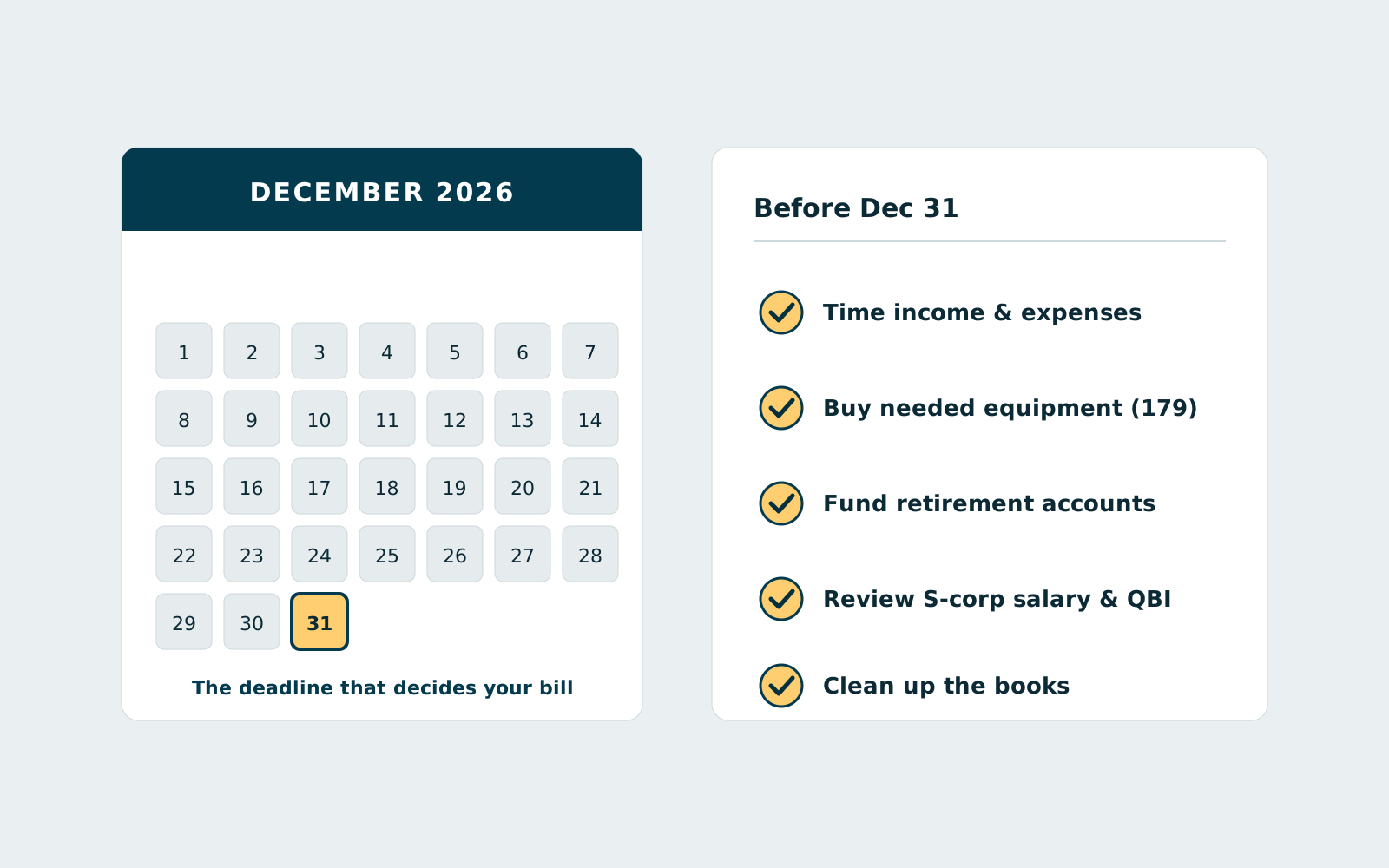
The most effective year-end tax moves for a small business are made before December 31: accelerating deductible expenses or deferring income, making equipment purchases that qualify for Section 179 or bonus depreciation, maxing out retirement contributions, and reviewing your S-corp salary and QBI position. After the year closes, almost all of these doors shut, which is why planning in November beats scrambling in April.
By the time you sit down to file in spring, the tax year is over and your options have mostly expired. Everything that meaningfully changes your number happens before December 31. Here are the moves worth reviewing each Q4, ideally with your advisor and your actual numbers in front of you.
1. Time your income and expenses
If you use cash-basis accounting, you have real control over which year income and expenses land in. If you expect to be in the same or lower bracket next year, you can defer December invoices to January and prepay deductible expenses, supplies, rent, insurance, before year-end. If you expect a higher bracket next year, you do the opposite. The point is that the timing is a lever, and most owners never pull it.
2. Buy needed equipment and use Section 179 / bonus depreciation
If you were going to buy a vehicle, machinery, computers, or other qualifying equipment anyway, doing it before year-end (and placing it in service) can let you deduct a large portion, often the full cost, in the current year through Section 179 expensing or bonus depreciation. The rule: never buy something you do not need just for the deduction, but do time purchases you were already going to make.
3. Fund retirement accounts
Retirement contributions are one of the largest legitimate deductions available to business owners, and they build your own wealth at the same time. A Solo 401(k) or SEP-IRA can shelter a substantial amount of profit. Some accounts must be established by year-end even if funded later, which is a deadline people miss.
A dollar moved into your retirement account is deducted today and still yours tomorrow. It is the rare tax move that makes you richer, not just lighter on tax.
4. Review your S-corp salary and QBI position
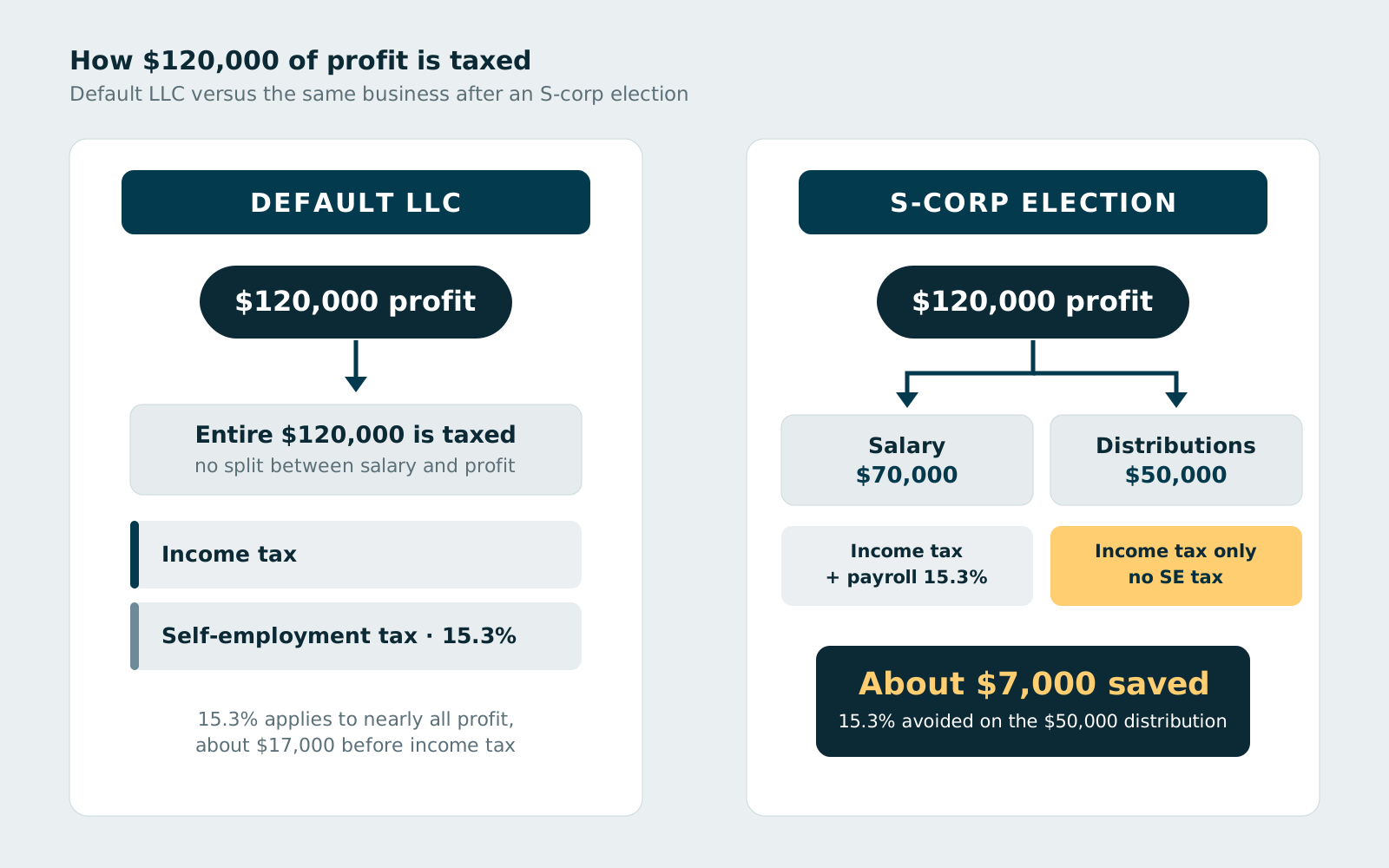
If you run an S-corp, year-end is when to confirm your reasonable salary is right and your distributions are documented. It is also when the 20% Qualified Business Income deduction should be checked, above certain income thresholds it phases out for some businesses, and there are moves (retirement contributions, salary adjustments, timing) that can keep you under the line.
Want this applied to your numbers?Book a free 30-minute advisory review with a senior member of our team.
Book a review 5. Clean up the books and chase loose ends
Before the year closes, reconcile your accounts, write off genuinely uncollectible receivables, confirm payroll and contractor totals (1099s are due in January), and make sure every deductible expense is actually captured. A surprising amount of “new” savings is just deductions that were never recorded.
Frequently asked questions
When should year-end tax planning happen?
Ideally in October or November, while there is still time to act before December 31. A November review lets you make purchases, adjust salary, and fund accounts deliberately rather than discovering missed opportunities at filing.
Is buying equipment just for the deduction a good idea?
Only if you needed it anyway. A deduction returns a fraction of the cost, spending $10,000 to save $2,500 in tax still costs you $7,500. Time purchases you were already planning; don’t invent them.
Can these moves still help if my year was unprofitable?
Yes, sometimes the right move in a low year is the opposite: accelerating income or deferring deductions into a higher-income year. That is exactly why planning should be based on your projection, not a generic checklist.
Key takeaways
- Almost every meaningful move must happen before December 31.
- Time income/expenses, and use Section 179 / bonus depreciation on equipment you need.
- Fund (and where required, establish) retirement accounts before year-end.
- Check S-corp salary and your QBI position; clean the books and capture every deduction.
- Plan in Q4 with real numbers, April is too late to change the result.
General strategies, not personalized advice. Tax thresholds and depreciation rules change; confirm current limits and your eligibility before acting.